Counselling for Children and Young People in Manchester
If your child or teenager isn’t their usual self or showing signs of distress, you’ve come to the right place.
Most concerned parents in Manchester contact us when their child is struggling with anxiety, anger, depression, not sleeping well or bedwetting. There are many other reasons why worried parents ask us to talk to their child, but these are the most common.
Our highly trained and experienced child therapists can help you get to the bottom of what’s wrong with your child and help them work through their issues.
If you would like to book a free consultation for child or teenager counselling, call 07782336089 or click on the button below. Consultations are usually carried out over the phone. However, some people prefer to talk to us over a video call or visit us at our private practice, which is conveniently located in Manchester city centre.
Working through life’s challenges can be tough for adults and even more difficult for children and young people. Child counselling can be very effective in helping families with children work through behavioural and emotional difficulties. If you live in Manchester and have worries about your child’s well-being, our specialised counselling for children can give you a safe space to explore and address any issues before they get worse.
Read on to find out more about how child counselling can benefit you, your child, and your family. We’ll also tell you more about what to expect in child counselling. Our child therapy experts have many years of experience in helping young children and teenagers in Manchester overcome a wide variety of issues and live happier lives.
How to Notice If Your Child Needs Counselling
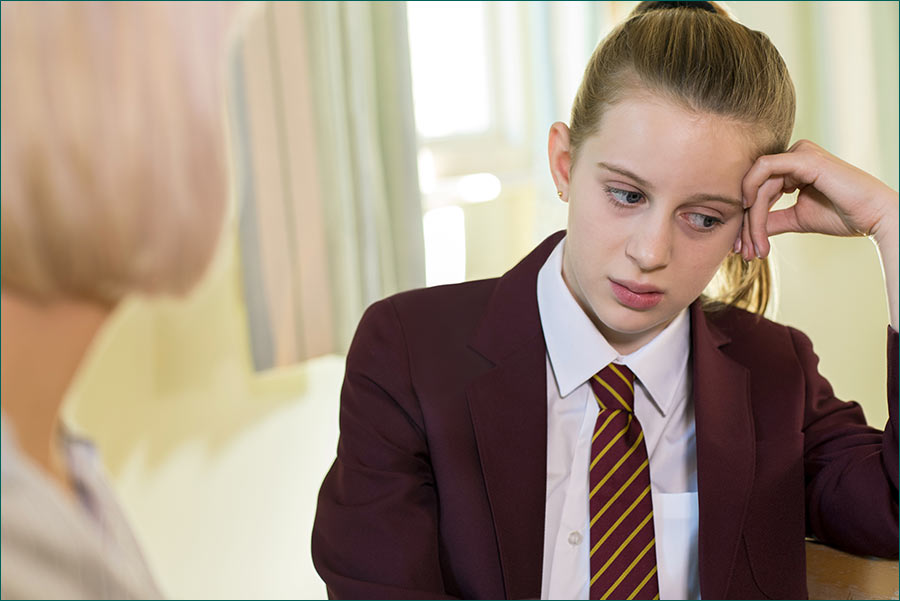
Recognising when a child may need counselling can be daunting. Even though physical pain can be obvious, it can be much harder to find out whether your child is going through emotional or mental distress. However, you can be on the look out for changes in their behaviour, emotions or social interactions, which could be disrupting their everyday life.
These changes may include
- Withdrawing from activities they used to enjoy
- Showing intense mood swings
- Anger and aggression
- Suddenly performing worse at school
It’s important to trust your instincts. If something doesn’t feel right, consult a professional who can explain your options.
Symptoms That May Indicate Your Child Needs Counselling
Here are some suggestions that your child may benefit from counselling. Each has a small explanation that could help you identify warning signs.
- Hyperactivity
If your child is hyperactive, they might fidget consistently, struggle to sit still or rush around when it’s inappropriate. They might find it hard to focus on tasks and act impulsively without thinking about the consequences.
- Trouble sleeping
If your child has issues with their sleep, they might find it hard to fall asleep, wake up several times in the night or experience restless sleep. This can leave them both irritable and tired, which can significantly affect their life when they’re awake.
- Anger and aggression
Anger or aggression can be displayed as frequent temper outbursts or physical confrontations. If your child becomes angry easily, they might lash out physically or verbally over issues that appear insignificant to you. This can be linked to emotional needs that haven’t been met or deeper frustration.
- Falling behind at school
When a child begins to fall behind at school, their grades might decline. They might find it difficult to complete assignments or lose interest in classroom activities. They may also find it hard to grasp new concepts. This can mean extra support is needed.
- Depression
If a child is suffering from depression, they might experience persistent sadness, start to withdraw from their friends or lose interest in activities that they used to enjoy. You might also notice signs of fatigue, irritability or changes in their sleeping and eating habits.
- Difficulty concentrating
Children who have difficulty concentrating might find it hard to focus on tasks. They may become forgetful and lose track of instructions, which will negatively impact their performance at school and their social interactions. Your child might struggle to finish their homework or follow conversations they’re a part of.
- Overreacting
If a child becomes prone to overreacting, they might respond to minor issues in intensely emotional ways. They may have temper tantrums and become upset by small inconveniences. They might react much more strongly than you expect.
- Talking about death and dying
If your child has been bringing topics like death and dying frequently, this may be related to deep-seated anxieties and fears. Some people seek counselling for their children because they’ve become unusually curious or concerned about mortality. This can be a symptom of underlying distress.
- Child regression
Child regression involves children reverting to behaviours they exhibited earlier in life, such as excessive clinginess, thumb-sucking, and bedwetting. It can occur when a child is undergoing stress and change. It can be a coping mechanism, with children returning to comforting behaviours from several years ago.
- Social withdrawal
Social withdrawal can involve the avoidance of friends, family members and activities they enjoyed in the past. If a child is experiencing social withdrawal, they might start preferring their own company and lose interest in making new friends. This can mean they are in need of emotional support. Manchester school teachers are usually on the lookout for children with social withdrawal.
- Frequent physical complaints
When a child is in distress, they might experience frequent headaches, stomach aches and other unexplained physical complaints that can’t be linked to a clear medical cause. These physical symptoms can often be linked back to anxiety and other emotional distress.

Benefits of Child Counselling
Our specialised child counselling has several benefits for children in Manchester who are struggling with emotional and behavioural challenges. It gives them access to a safe environment where they can develop healthy coping strategies and become more resilient.
• Emotional support: Counselling gives children a secure space where they can express their feelings. This helps them to process difficult emotions like sadness, anger or anxiety.
• Coping strategies: Counsellors can teach children tools to help them manage stress and anxiety effectively, giving them powerful strategies they can use throughout life.
• Improved communication: During counselling, children learn to express their thoughts and emotions more clearly, which can strengthen their relationships with family, friends, and teachers.
• Behavioural changes: Counselling can address behavioural issues by identifying underlying causes and developing positive strategies to lay the foundations for positive change.
These are just some of the benefits of counselling for children. Child therapy significantly boosts a child’s well-being. It gives them access to the tools they need to face life’s many challenges confidently. The Manchester Counselling Association is home to some of the best child therapists in the city. Call 07782336089 to book a free consultation.
What to Expect During a Counselling Session
If you’ve been thinking about taking your child to see a child therapist, here’s what to expect:
- Initial assessment
The child therapist will begin by getting to know your child so they can understand their concerns and history. This is a vital stage for building trust and identifying which areas need the most support
- Therapeutic activities
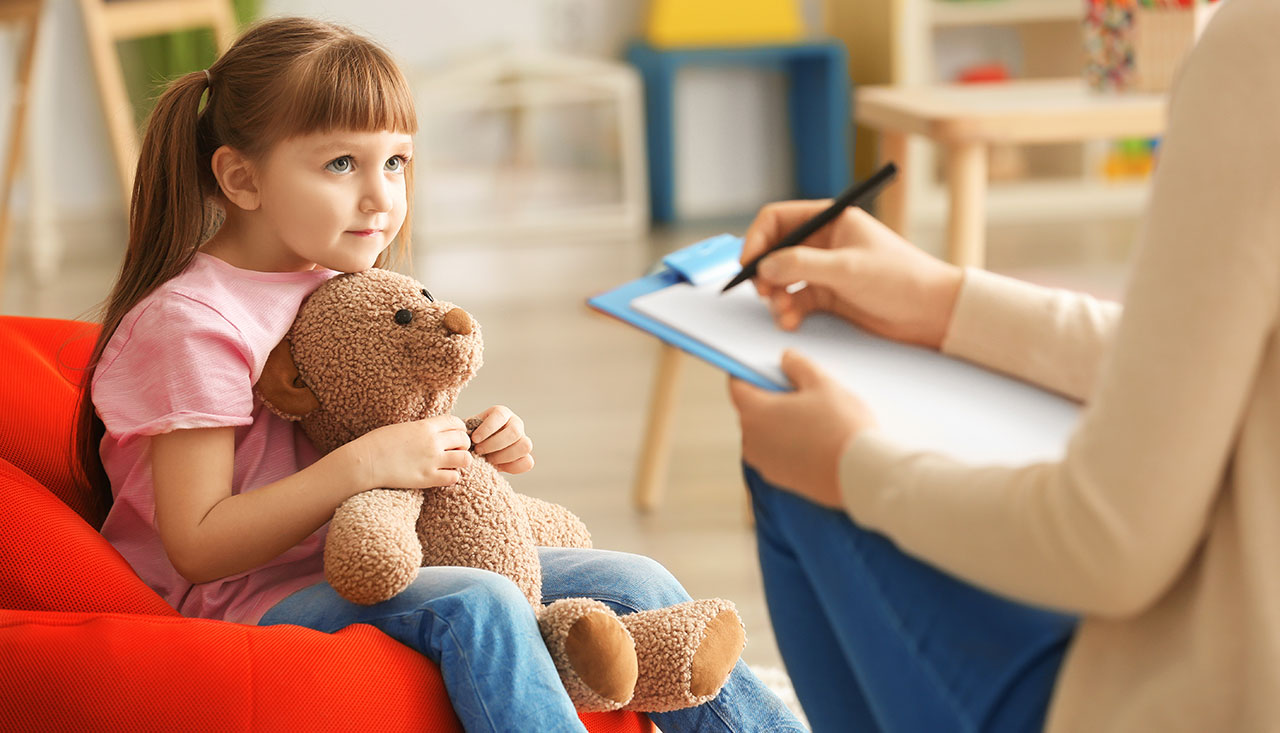
Depending on your child’s age, child therapy can include various activities. If you have a younger child, child therapists may encourage them to participate in storytelling, music, drawing, or play therapy. These can help them express emotions for which they might not have the right words yet. Teenage counselling sessions tend to focus more on talking, listening, and exploring thoughts and feelings in a supportive environment.
- Goal setting
Parents and children can contribute to setting goals for the therapeutic process. These goals are usually tailored directly to the child’s unique needs and focus on achievable steps for healing and growth.
- Regular sessions
Child therapy usually involves consistent sessions, allowing the child to build a trusting relationship with the child therapist. Regular contact with the child therapist builds a strong bond between the child and the therapist, resulting in positive change.
Final steps
Although taking the step to support your mental and emotional health of your child can seem like a big decision, it can make a substantial difference to their well-being.
Paying attention to signs of distress early, looking for professional guidance and providing a supportive environment can help you set your child up for success in the future.
If you need help figuring out where to start, it’s really quite simple. All you need to do is call us on 07782336089 and ask for a free consultation for child counselling or teenager counselling (whichever one you need). Find out for yourself why we are the leading provider of counselling for children in Manchester.
Book a FREE Consultation
Children benefit from counselling just as much as adults. Unfortunately children don’t often know how to express how they are feeling and tell you what’s wrong. That’s were we come in. Our skilled child therapists are trained to find out whatever issues your child is struggling with and help them work through them.
Call the number below to book a free consultation and together we can help your child work through there issues and look forward to a happier life.
